Less Stuff, More Magic: The Case for Letting Your Kid's Toy Box Run Empty
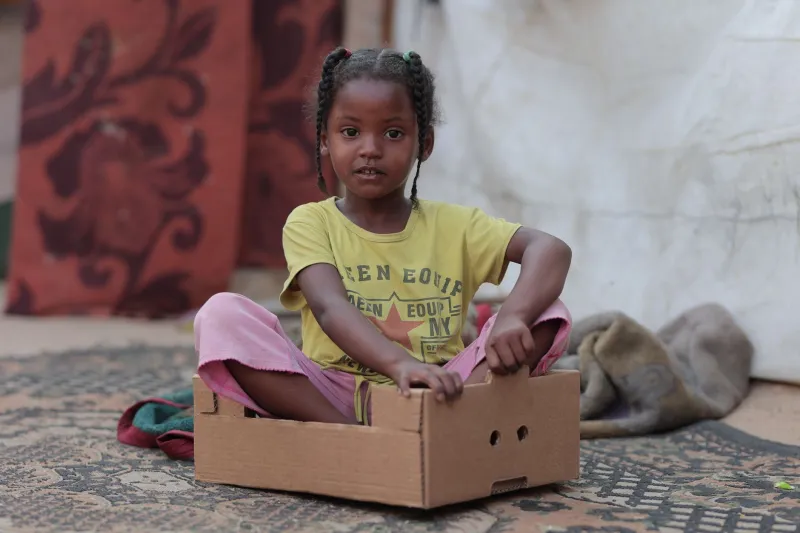
Picture this: It's a rainy Saturday afternoon, the playroom is packed with more toys than a small retail store, and your kid is standing in the middle of it all complaining they have nothing to do. Sound familiar? If you're nodding right now, you're definitely not alone — and weirdly enough, you might be experiencing one of modern parenting's most common paradoxes.
More toys, less play. More options, less imagination. It sounds backwards, but researchers, child development experts, and a whole lot of exhausted parents are starting to agree: when it comes to fostering genuine creativity in kids, less really can be more.
The Overwhelm Nobody Talks About
There's a concept in psychology called "choice overload," and it applies to kids just as much as it does to adults staring down a 47-item restaurant menu. When children are surrounded by too many toys, their brains don't light up with excitement — they short-circuit. Instead of diving deep into imaginative play, kids bounce from one toy to the next, never fully engaging with any of them.
Dr. Carly Dauch, a researcher at the University of Toledo, published a study that found toddlers who played in rooms with fewer toys actually played longer, more creatively, and with greater focus than those surrounded by an abundance of options. The kids with less stuff weren't deprived — they were free.
Free to actually think.
What Happens When the Toy Box Runs Low
Ask parents who've lived through a toy shortage — whether by choice, circumstance, or a cross-country move where half the playroom ended up in storage — and many will tell you the same thing: their kids surprised them.
Take the Martinez family from Austin, Texas. When they downsized into a smaller apartment last spring, most of their kids' toys went into a storage unit. For two months, their seven-year-old had access to a handful of wooden blocks, some art supplies, and a few stuffed animals. "Honestly, I was bracing for a meltdown," mom Renata admits. "But what actually happened was wild. She started building these whole cities out of cardboard boxes, making up characters, writing little stories about them. She was more engaged than she'd ever been with all her 'real' toys."
This kind of story isn't an anomaly. It's a pattern.
When kids don't have the "perfect" toy for a given scenario, their brains do something remarkable: they improvise. A wooden spoon becomes a magic wand. A cardboard box becomes a spaceship. A handful of river rocks becomes currency in an elaborate trading game. This is the raw, unfiltered creativity that child development experts have been talking about for decades — and it thrives in scarcity.
The Pressure to Have It All (And Why It's Overrated)
American consumer culture makes it genuinely hard to resist the pull of the newest, most talked-about toy. Every holiday season brings a fresh wave of "must-have" products, influencer unboxing videos, and playground conversations that make parents feel like they're failing their kids if they don't keep up.
But here's the thing nobody in the toy marketing world wants you to realize: most of those "must-have" toys have a shelf life of about two weeks before they end up in the corner, forgotten.
The toys that actually stick — the ones kids return to again and again — tend to be simpler, more open-ended, and more versatile. Think building blocks that can become anything. Art supplies that don't come with instructions. Classic wooden toys that don't beep, flash, or require batteries. These are the kinds of toys that grow with a child's imagination rather than directing it down a single predetermined path.
At Zabawka Shop, this is something we think about a lot. The tradition of Polish toy-making has always leaned toward craftsmanship and open-ended play over flashy gimmicks — and there's a reason those kinds of toys have endured for generations while countless trendy alternatives have faded.
How to Curate a Smaller, Smarter Toy Collection
So what does intentional toy scarcity actually look like in practice? It's not about deprivation or minimalism for its own sake. It's about being thoughtful and deliberate — choosing quality over quantity and making space for imagination to do its job.
Here are a few strategies families are finding genuinely useful:
Rotate, don't accumulate. Instead of having every toy out at once, keep a portion of toys in storage and swap them out every few weeks. Familiar toys feel brand new again after a break, and kids engage with them differently the second (or third) time around.
Prioritize open-ended play objects. Blocks, art supplies, fabric scraps, simple figurines, and natural materials like pinecones or smooth stones have no "right" way to be used — which means kids have to invent one. That invention is where creativity lives.
Create intentional empty space. A little boredom is not the enemy. It's the starting gun. When kids don't have something to immediately grab their attention, they're forced to generate their own entertainment — and that's where the magic tends to happen.
Let kids be part of the curation process. Sit down together and decide which toys truly spark joy (yes, very Marie Kondo, but it works). Kids who have agency over their toy collection tend to value and engage with what remains more deeply.
Resist the impulse buy. Before adding something new to the rotation, ask: does this toy do one specific thing, or can it become many things? The more versatile, the better.
Boredom Isn't a Bug — It's a Feature
Here's the mindset shift that tends to be the hardest for parents: letting your kid be bored on purpose. We've become so wired to fill every moment with stimulation that a child sitting quietly, staring at the ceiling, feels like a problem to be solved.
But boredom is actually a creative incubation state. It's the moment right before a kid invents a game, builds something unexpected, or disappears into a story world they've conjured entirely from scratch. Protecting a little space for that to happen — even when it feels uncomfortable — is one of the most genuinely useful things a parent can do.
The toy shortage, whether intentional or accidental, has a way of forcing that space open. And once parents see what their kids are capable of when the clutter clears, most of them never go back to buying everything in sight.
Less stuff. More magic. It really is that simple.