Zabawka, Klocki, Gry: A Friendly Pronunciation Guide to Polish Play
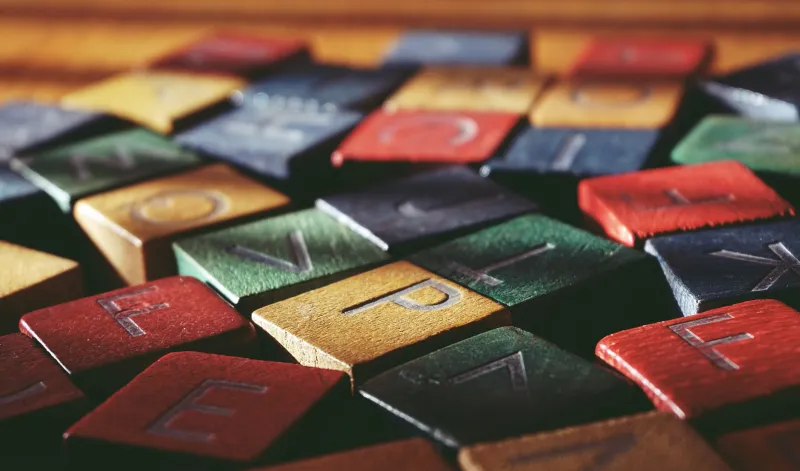
You do not need to speak Polish to bring a Polish toy home. But learning a few words changes the purchase from a transaction into a small family connection. The names are often plain and practical, and they carry a bit of play culture with them. Here is a friendly cheat sheet for the terms you will see most often at Zabawka Shop and in Polish toy catalogs.
A quick note on pronunciation: Polish sounds are consistent, but a few letters trip up English speakers. The ł sounds like an English w. The ś sounds like soft sh. The sz sounds like the sh in shop. The cz sounds like ch in church. Polish stress usually lands on the second-to-last syllable. Our approximations are meant to get you close, not perfect.
Zabawka: the word for toy
Say it: zah-BAHV-kah
Zabawka simply means toy. It comes from the verb bawić się, which means to play or amuse oneself. That root is a good reminder that a toy is not a product that performs. It is an invitation to play. If you want to say toys, use zabawki: zah-BAHV-kee. A toy box is a skrzynia na zabawki, but you can also just point and say zabawki.
Klocki: the blocks
Say it: KLOHT-skee
Klocki means blocks, and it is one of the most common Polish toy words you will see. The singular is klocek. Polish wooden blocks have a long, practical tradition: simple shapes, natural finishes, and enough pieces to build something bigger than the box. When a child says klocki, they usually mean business. The word is also a nice one to teach because it is easy to shout across a living room.
Gry planszowe: board games
Say it: grih plahn-SHOH-veh
Gry planszowe means board games. Gra is game, and plansza is board. Poland has a strong family board game culture, and many Polish homes have a shelf of games that come out on long weekends and holidays. The phrase sounds formal, but the play is not. Expect card games, dice games, and family titles that reward table talk.
Układanka: the puzzle
Say it: oo-kwah-DAHN-kah
Układanka means puzzle, especially a puzzle you arrange or put together. It comes from układać, to arrange or lay out. That makes sense when you watch a child sort edges, test pieces, and build a picture from the outside in. For jigsaw puzzles, you may also hear puzzle, which Polish borrows directly. For wooden shape puzzles, układanka is the more natural word.
Drewniane: the wooden ones
Say it: drev-NYAH-neh
Drewniane means wooden. You will see it on labels for blocks, puzzles, pull toys, and pretend-play sets. Polish toymakers have a long history of working with wood, and the word signals a certain kind of toy: heavier, quieter, and often designed to last. It is not a guarantee of quality, but it is a useful clue when you are reading a product page.
A few more words for the toy box
Lalka — LAHL-kah. Doll. A simple, old word for a toy that invites storytelling.
Miś — meesh. Teddy bear. The diminutive misiu (MEE-shoo) is what many Polish families actually say. It sounds affectionate, and it is.
Piłka — PEEW-kah. Ball. The ł again sounds like w. This is a good word to practice outdoors.
Kredki — KRED-kee. Crayons. An art-supply word that shows up in school and travel kits.
Gra — grah. Game. Short, useful, and easy to remember.
Zabawa — zah-BAH-vah. Play or fun. If zabawka is the toy, zabawa is what happens next.
Three phrases for playtime
Moja kolej — MOY-ah KOH-ley. My turn. Useful for board games and for teaching patience.
Twoja kolej — TVOY-ah KOH-ley. Your turn. Pair it with a point and a smile.
Dobrze — DOH-bzheh. Good, okay, or well done. A small word that lands well when a child solves a puzzle or makes a fair trade.
Why the words matter
A toy purchase is already a small cultural exchange. When you learn the name of the thing, you are not just reading a label. You are showing your child that another language is ordinary, useful, and fun. You do not need a lesson plan. Say the word, laugh at your accent, and let the toy do the rest. That is the whole trick. A few syllables can turn a box on the doorstep into a story about how families play on the other side of the world.